We narrowed to 3,858 results for: biorxiv
-
Plasmid#176710PurposeThe plasmid is part of a GG toolkit for cell-cell communication in S. cerevisiae. This plasmid is an L0 part plasmid and contains the alpha-factor-responsive promoter SST2 (response part).DepositorPublicationInsertP-SST2
UseSynthetic BiologyAvailable sinceApril 26, 2022AvailabilityAcademic Institutions and Nonprofits only -
pYCTK001
Plasmid#176705PurposeThe plasmid is part of a GG toolkit for cell-cell communication in S. cerevisiae. This plasmid is an L0 part plasmid and contains the alpha-factor-responsive promoter DIG2 of S. cerevisiae (response part)DepositorPublicationInsertP-DIG2
UseSynthetic BiologyAvailable sinceFeb. 8, 2022AvailabilityAcademic Institutions and Nonprofits only -
pYCTK007
Plasmid#176711PurposeThe plasmid is part of a GG toolkit for cell-cell communication in S. cerevisiae. This plasmid is an L0 part plasmid and contains the alpha-factor-responsive promoter YPS1 (response part).DepositorPublicationInsertP-YPS1
UseSynthetic BiologyAvailable sinceJan. 6, 2022AvailabilityAcademic Institutions and Nonprofits only -
pYCTK013
Plasmid#176717PurposeThe plasmid is part of a GG toolkit for cell-cell communication in S. cerevisiae. This plasmid is an L0 part plasmid and contains the alpha-factor gene of Lachancea fermentati (sender part).DepositorPublicationInsertmfalpha1Lf
UseSynthetic BiologyMutationCodon-optimized for expression in S. cerevisiaeAvailable sinceJan. 6, 2022AvailabilityAcademic Institutions and Nonprofits only -
pYCTK016
Plasmid#176720PurposeThe plasmid is part of a GG toolkit for cell-cell communication in S. cerevisiae. This plasmid is an L0 part plasmid and contains the alpha-factor gene of Saccharomyces cerevisiae (sender part).DepositorPublicationInsertmfalpha1Sc
UseSynthetic BiologyAvailable sinceJan. 6, 2022AvailabilityAcademic Institutions and Nonprofits only -
pYCTK021
Plasmid#176725PurposeThe plasmid is part of a GG toolkit for cell-cell communication in S. cerevisiae. This plasmid is an L0 part plasmid and contains the Ste2 gene of Kazachstania africana (receiver part).DepositorPublicationInsertste2Ka
UseSynthetic BiologyMutationCodon-optimized for expression in S. cerevisiaeAvailable sinceJan. 6, 2022AvailabilityAcademic Institutions and Nonprofits only -
pYCTK022
Plasmid#176726PurposeThe plasmid is part of a GG toolkit for cell-cell communication in S. cerevisiae. This plasmid is an L0 part plasmid and contains the Ste2 gene of Kluyveromyces lactis (receiver part).DepositorPublicationInsertste2Kl
UseSynthetic BiologyMutationCodon-optimized for expression in S. cerevisiaeAvailable sinceJan. 6, 2022AvailabilityAcademic Institutions and Nonprofits only -
pYCTK023
Plasmid#176727PurposeThe plasmid is part of a GG toolkit for cell-cell communication in S. cerevisiae. This plasmid is an L0 part plasmid and contains the Ste2 gene of Kazachstania naganishii (receiver part).DepositorPublicationInsertste2Kn
UseSynthetic BiologyMutationCodon-optimized for expression in S. cerevisiaeAvailable sinceJan. 6, 2022AvailabilityAcademic Institutions and Nonprofits only -
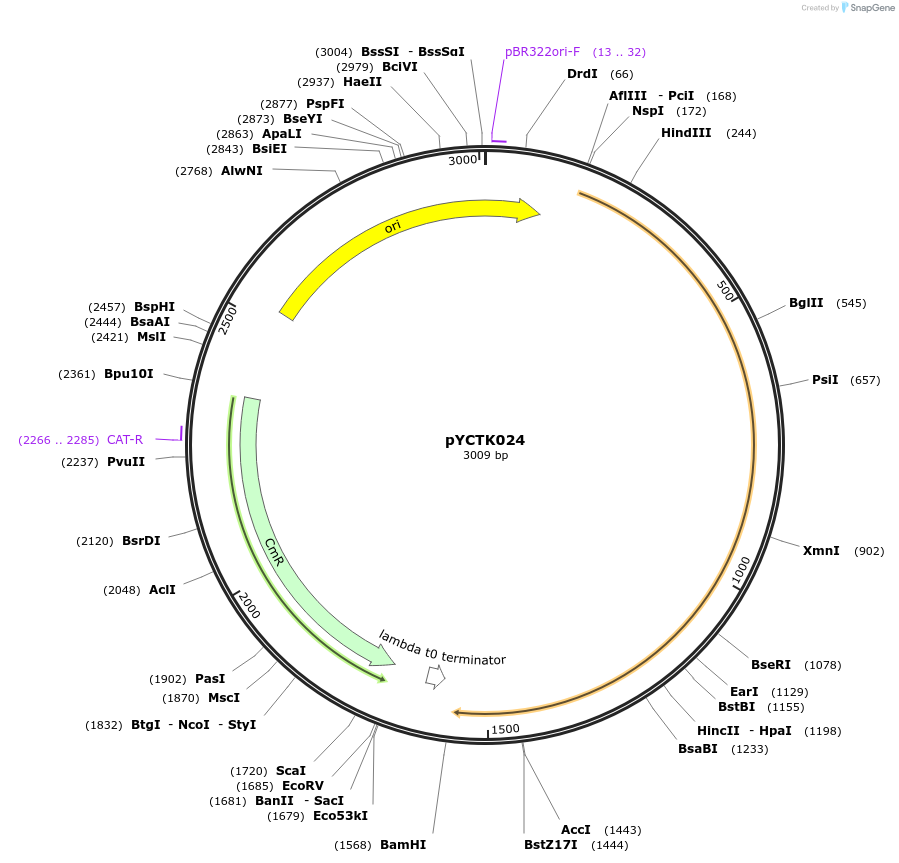
pYCTK024
Plasmid#176728PurposeThe plasmid is part of a GG toolkit for cell-cell communication in S. cerevisiae. This plasmid is an L0 part plasmid and contains the Ste2 gene of Lachancea fermentati (receiver part).DepositorPublicationInsertste2Lf
UseSynthetic BiologyMutationCodon-optimized for expression in S. cerevisiaeAvailable sinceJan. 6, 2022AvailabilityAcademic Institutions and Nonprofits only -
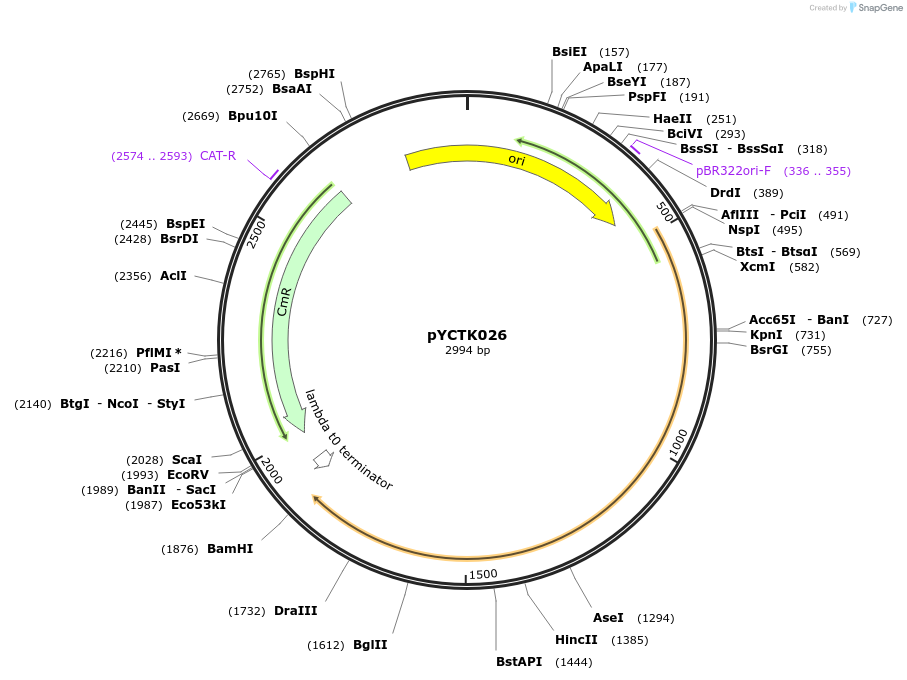
pYCTK026
Plasmid#176730PurposeThe plasmid is part of a GG toolkit for cell-cell communication in S. cerevisiae. This plasmid is an L0 part plasmid and contains the Ste2 gene of Lachancea thermotolerans (receiver part).DepositorPublicationInsertste2Lt
UseSynthetic BiologyMutationCodon-optimized for expression in S. cerevisiaeAvailable sinceJan. 6, 2022AvailabilityAcademic Institutions and Nonprofits only -
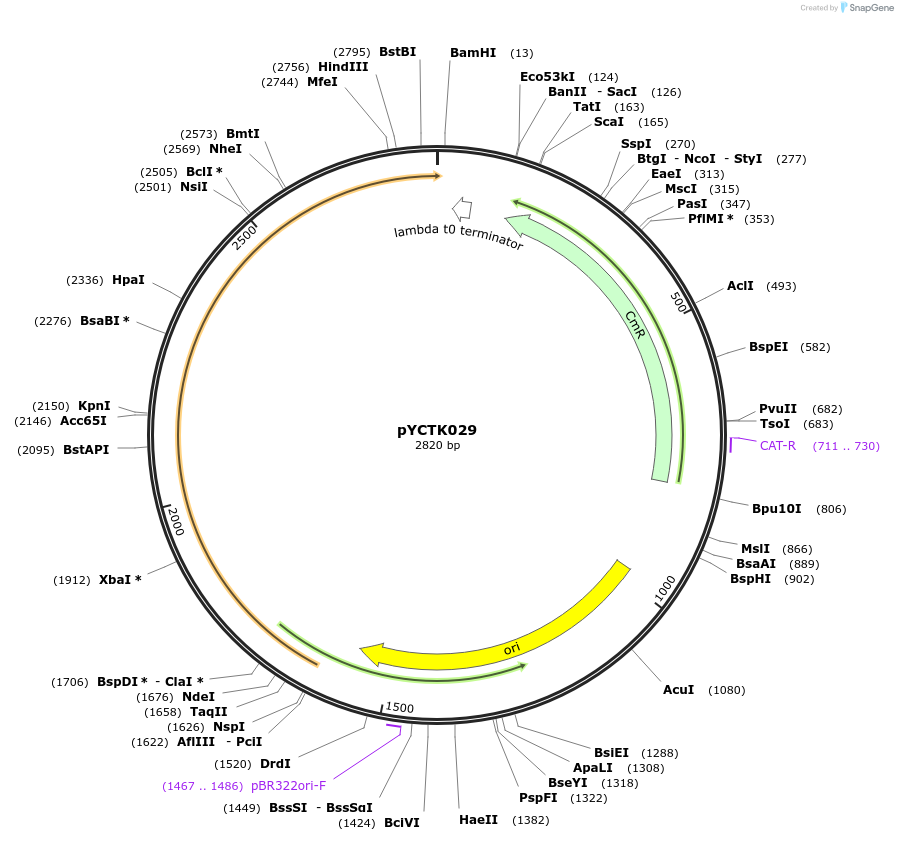
pYCTK029
Plasmid#176733PurposeThe plasmid is part of a GG toolkit for cell-cell communication in S. cerevisiae. This plasmid is an L0 part plasmid and contains the Ste2 gene of Vanderwaltozyma polyspora (receiver part).DepositorPublicationInsertste2Vp
UseSynthetic BiologyMutationCodon-optimized for expression in S. cerevisiaeAvailable sinceJan. 6, 2022AvailabilityAcademic Institutions and Nonprofits only -
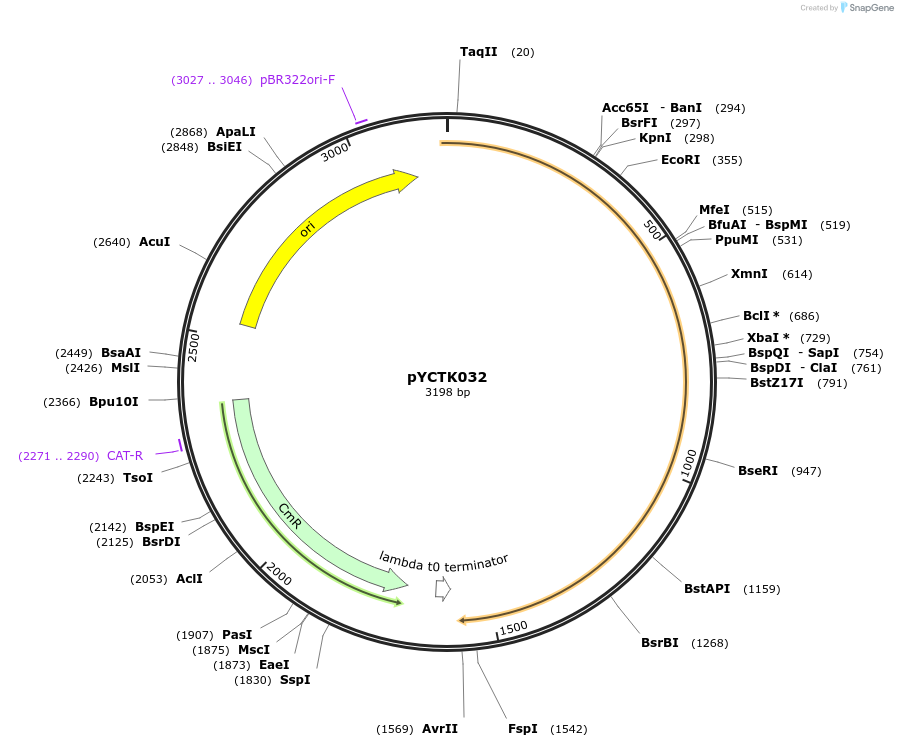
pYCTK032
Plasmid#176736PurposeThe plasmid is part of a GG toolkit for cell-cell communication in S. cerevisiae. This plasmid is an L0 part plasmid and contains the Bar1 gene of Kluyveromyces lactis (barrier part).DepositorPublicationInsertbar1Kl
UseSynthetic BiologyMutationCodon-optimized for expression in S. cerevisiaeAvailable sinceJan. 6, 2022AvailabilityAcademic Institutions and Nonprofits only -
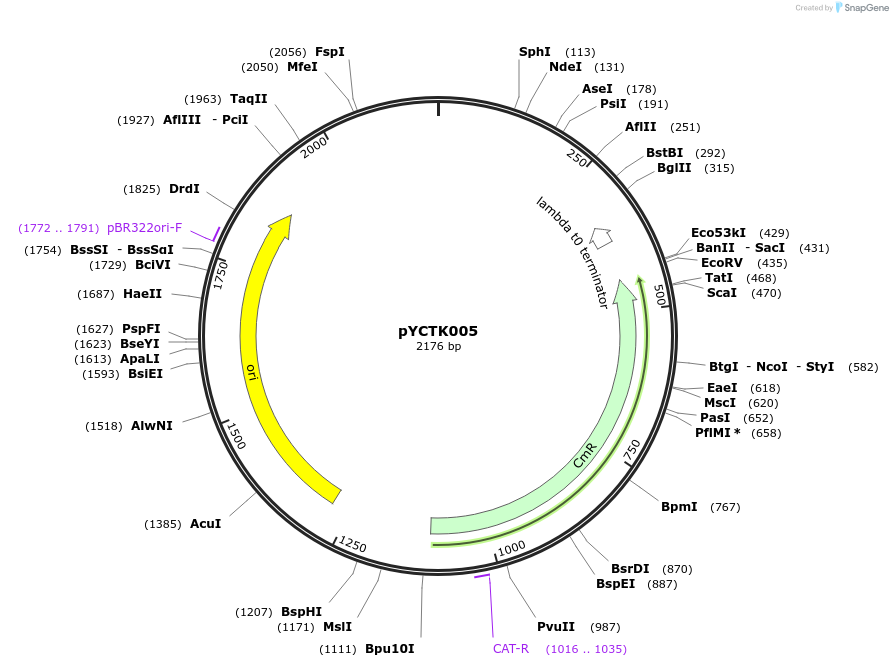
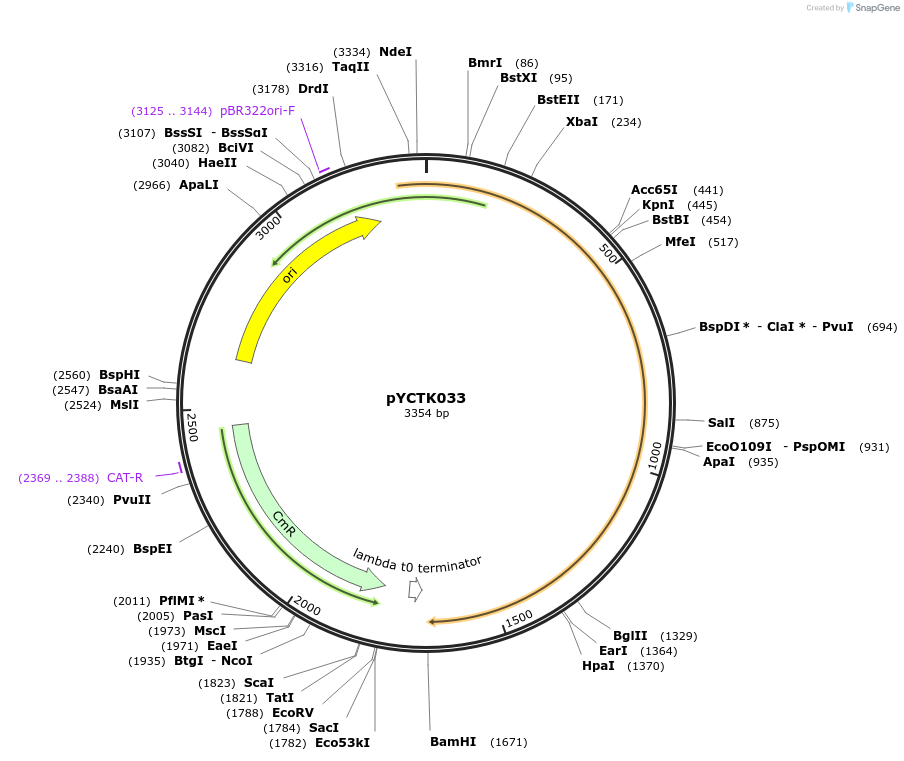
pYCTK033
Plasmid#176737PurposeThe plasmid is part of a GG toolkit for cell-cell communication in S. cerevisiae. This plasmid is an L0 part plasmid and contains the Bar1 gene of Kazachstania naganishii (barrier part).DepositorPublicationInsertbar1Kn
UseSynthetic BiologyMutationCodon-optimized for expression in S. cerevisiaeAvailable sinceJan. 6, 2022AvailabilityAcademic Institutions and Nonprofits only -
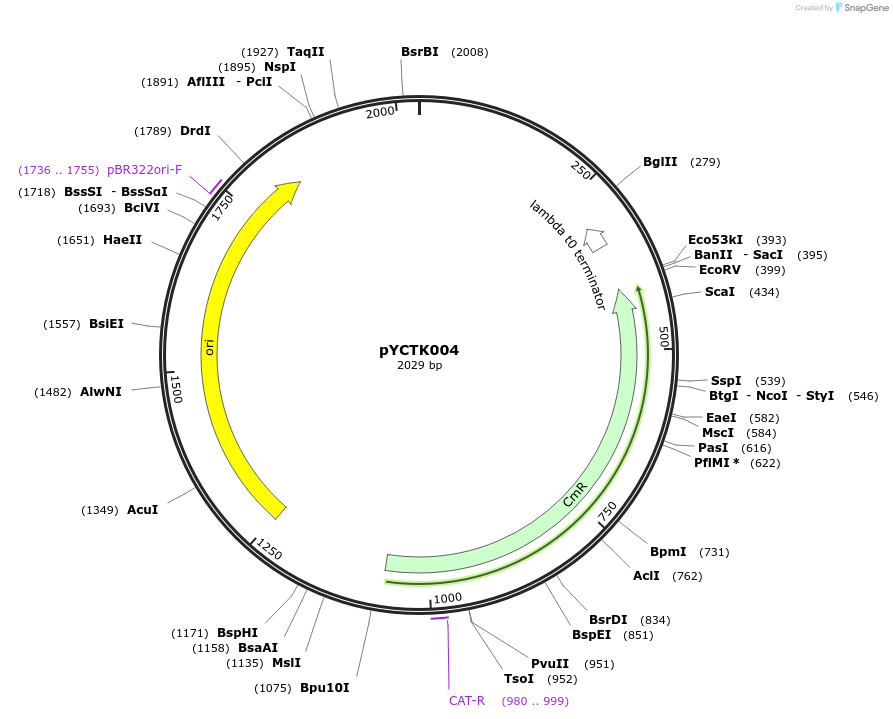
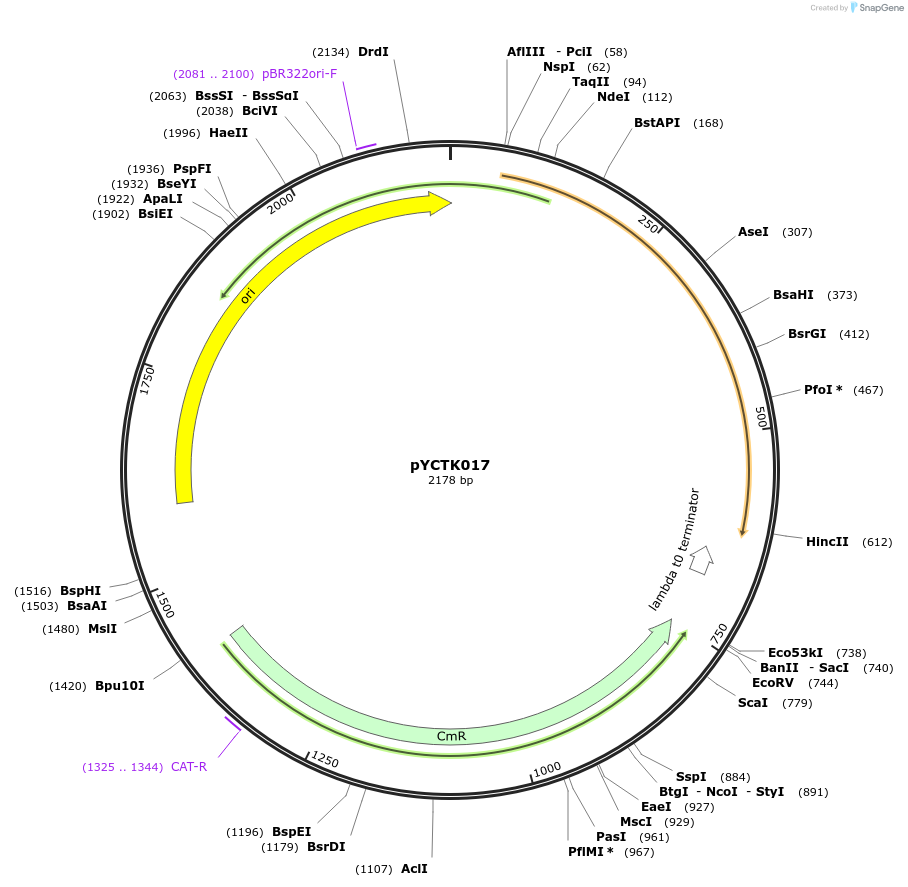
pYCTK017
Plasmid#176721PurposeThe plasmid is part of a GG toolkit for cell-cell communication in S. cerevisiae. This plasmid is an L0 part plasmid and contains the alpha-factor gene of Tetrapisispora phaffii (sender part).DepositorPublicationInsertmfalpha1Tp
UseSynthetic BiologyMutationCodon-optimized for expression in S. cerevisiaeAvailable sinceJan. 6, 2022AvailabilityAcademic Institutions and Nonprofits only -
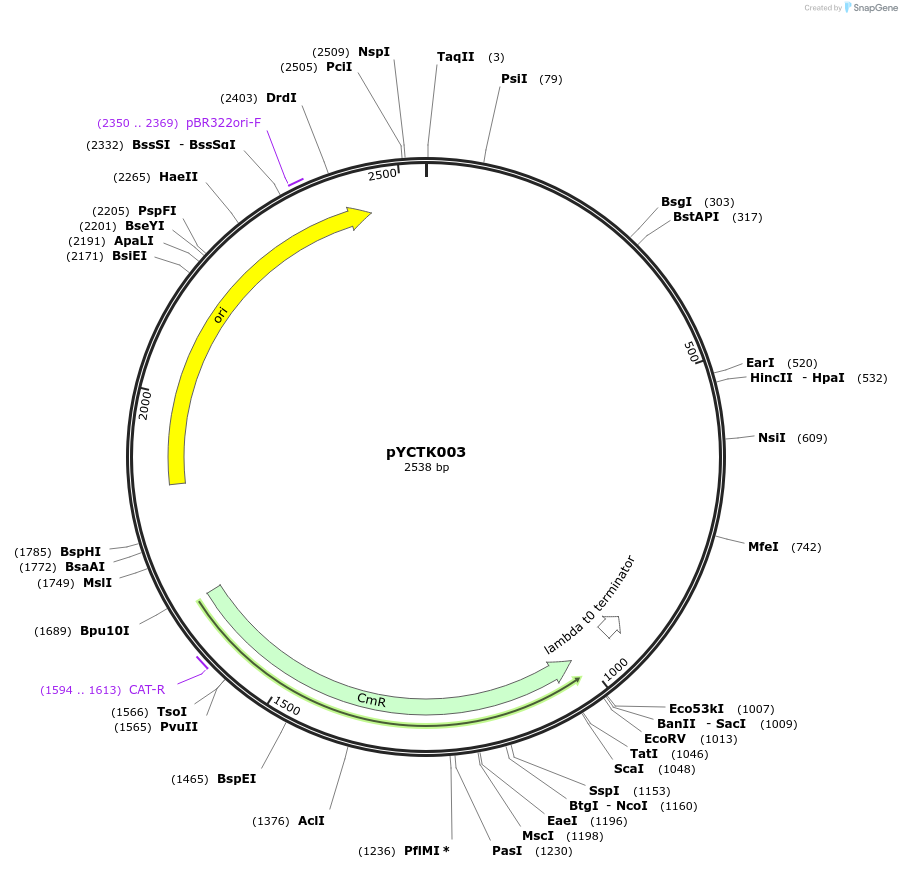
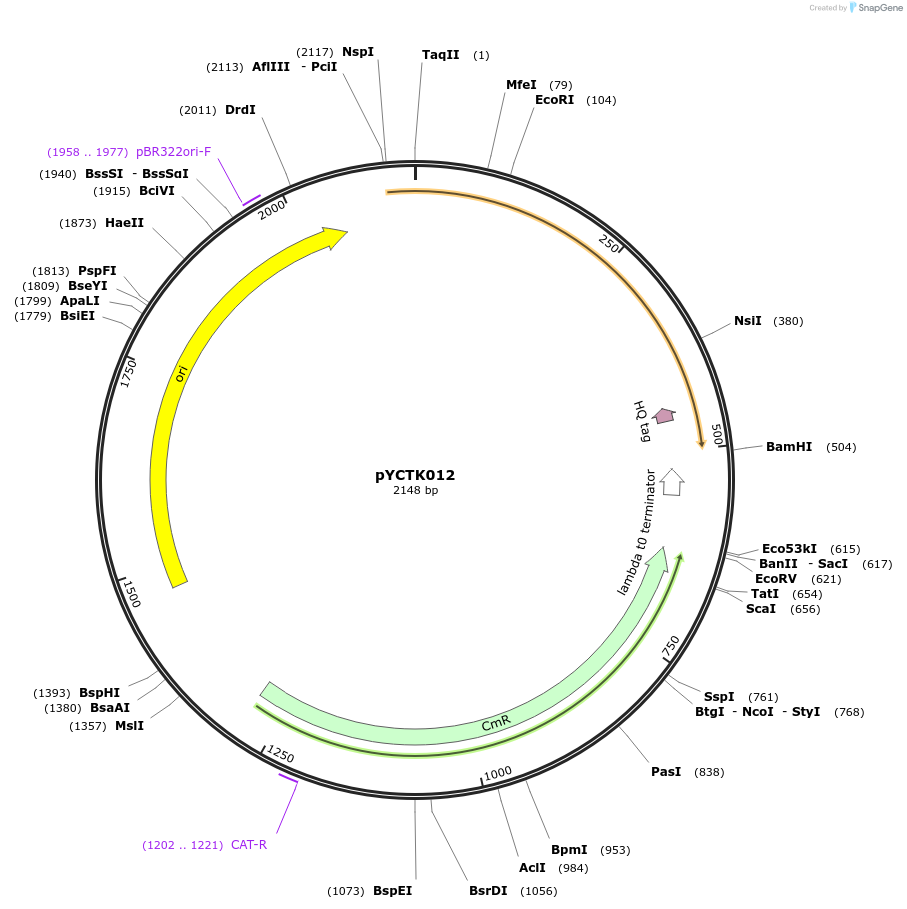
pYCTK012
Plasmid#176716PurposeThe plasmid is part of a GG toolkit for cell-cell communication in S. cerevisiae. This plasmid is an L0 part plasmid and contains the alpha-factor gene of Kazachstania naganishii (sender part).DepositorPublicationInsertmfalpha1Kn
UseSynthetic BiologyMutationCodon-optimized for expression in S. cerevisiaeAvailable sinceJan. 6, 2022AvailabilityAcademic Institutions and Nonprofits only -
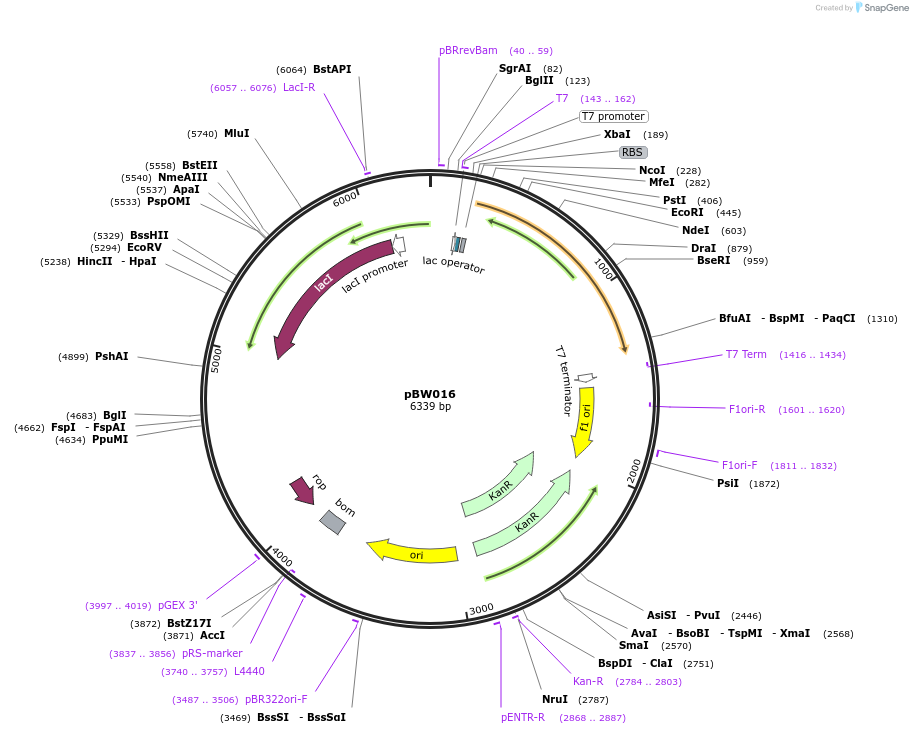
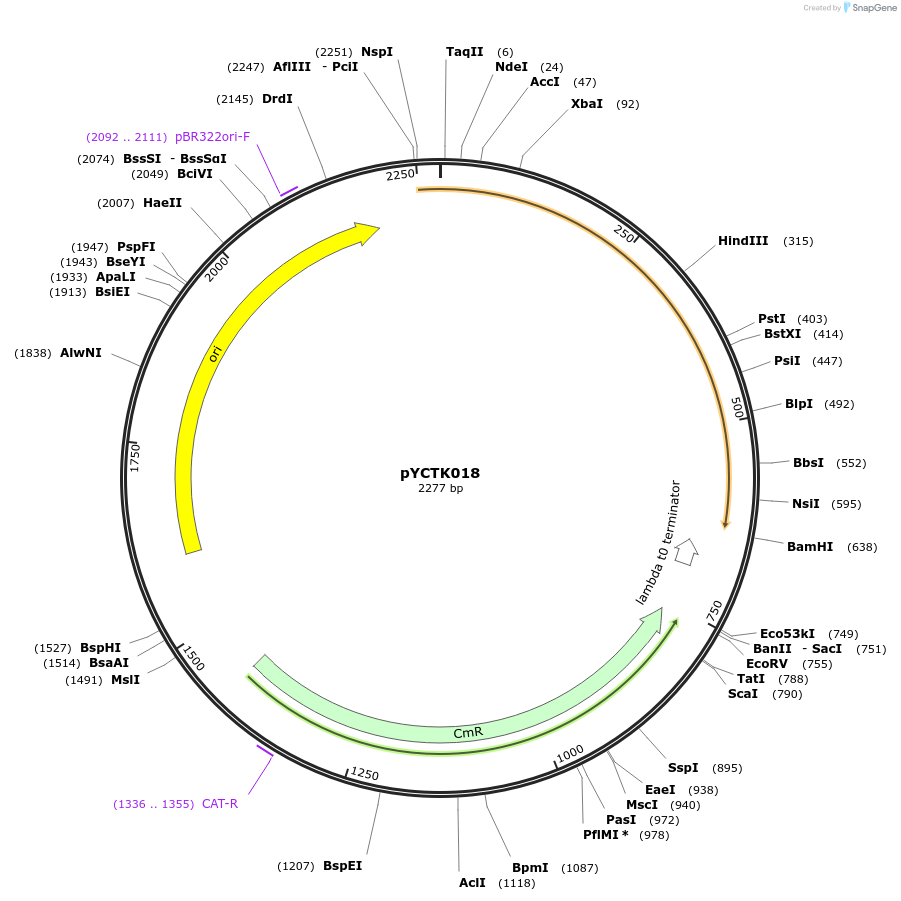
pYCTK018
Plasmid#176722PurposeThe plasmid is part of a GG toolkit for cell-cell communication in S. cerevisiae. This plasmid is an L0 part plasmid and contains the alpha-factor gene of Vanderwaltozyma polyspora (sender part).DepositorPublicationInsertmfalpha1Vp
UseSynthetic BiologyMutationCodon-optimized for expression in S. cerevisiaeAvailable sinceJan. 6, 2022AvailabilityAcademic Institutions and Nonprofits only -
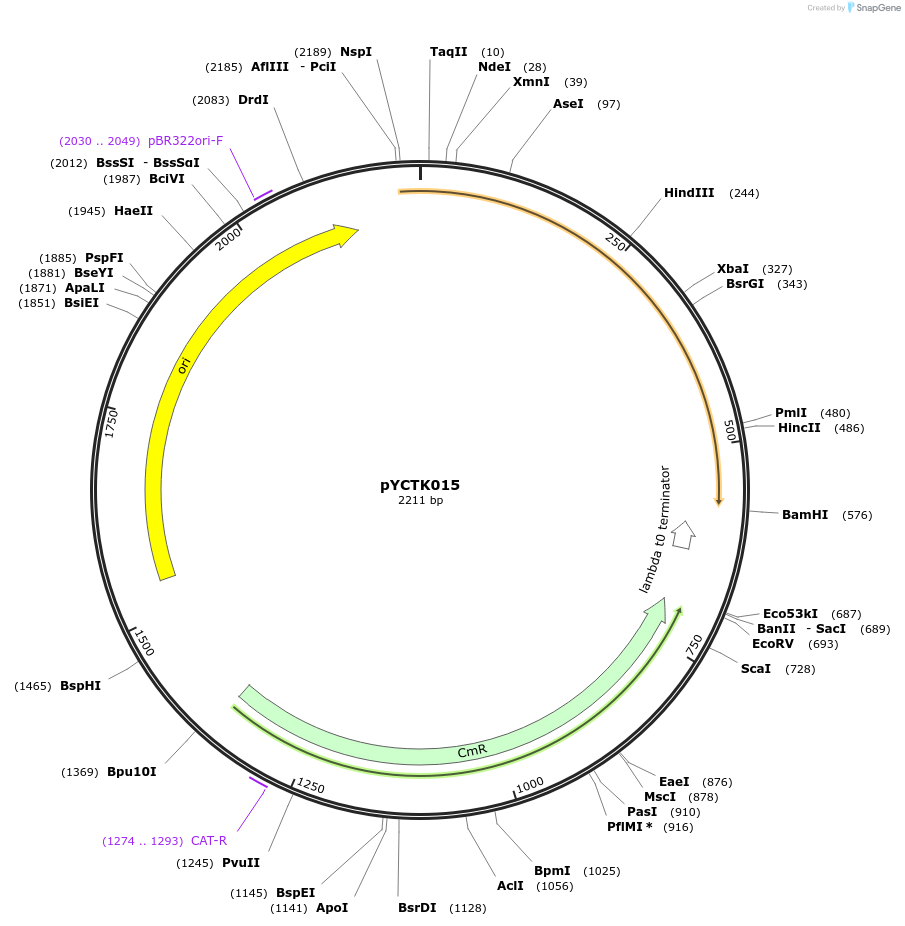
pYCTK015
Plasmid#176719PurposeThe plasmid is part of a GG toolkit for cell-cell communication in S. cerevisiae. This plasmid is an L0 part plasmid and contains the alpha-factor gene of Lachancea thermotolerans (sender part).DepositorPublicationInsertmfalpha1Lt
UseSynthetic BiologyMutationCodon-optimized for expression in S. cerevisiaeAvailable sinceJan. 6, 2022AvailabilityAcademic Institutions and Nonprofits only -
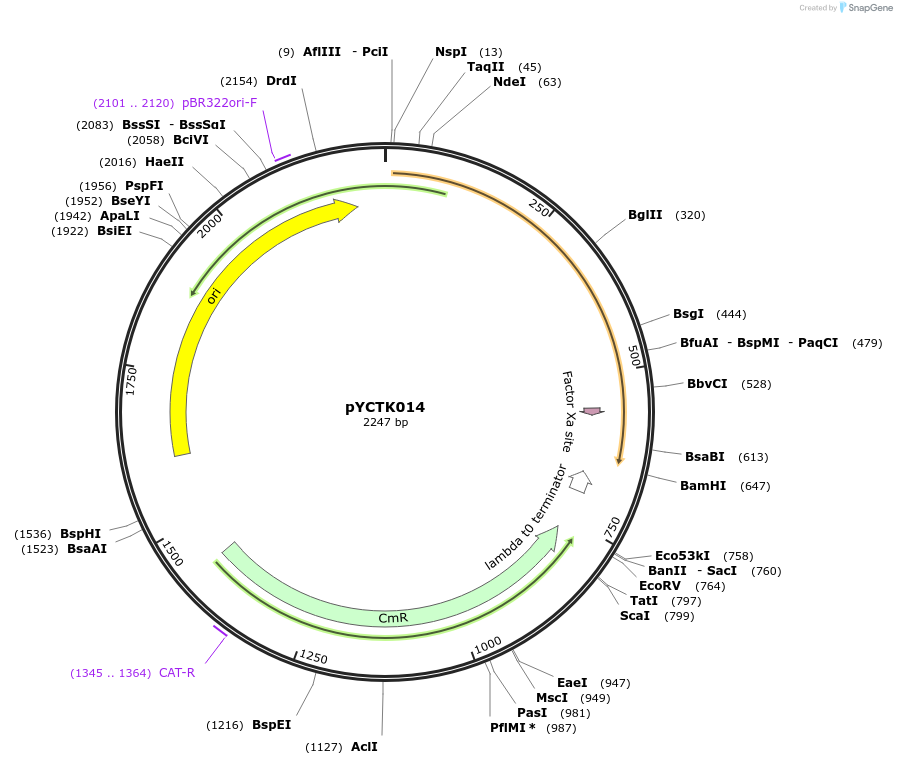
pYCTK014
Plasmid#176718PurposeThe plasmid is part of a GG toolkit for cell-cell communication in S. cerevisiae. This plasmid is an L0 part plasmid and contains the alpha-factor gene of Lachancea mirantina (sender part).DepositorPublicationInsertmfalpha1Lm
UseSynthetic BiologyMutationCodon-optimized for expression in S. cerevisiaeAvailable sinceJan. 6, 2022AvailabilityAcademic Institutions and Nonprofits only -
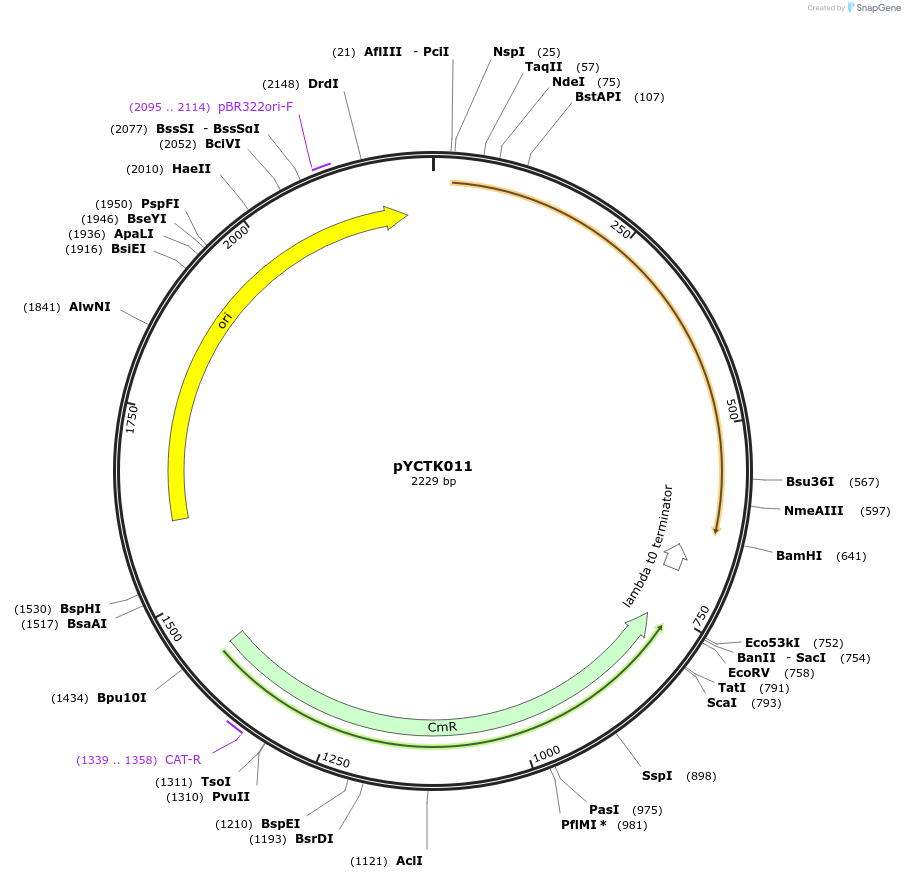
pYCTK011
Plasmid#176715PurposeThe plasmid is part of a GG toolkit for cell-cell communication in S. cerevisiae. This plasmid is an L0 part plasmid and contains the alpha-factor gene of Kluyveromyces lactis (sender part).DepositorPublicationInsertmfalpha1Kl
UseSynthetic BiologyMutationCodon-optimized for expression in S. cerevisiaeAvailable sinceJan. 6, 2022AvailabilityAcademic Institutions and Nonprofits only -
pYCTK005
Plasmid#176709PurposeThe plasmid is part of a GG toolkit for cell-cell communication in S. cerevisiae. This plasmid is an L0 part plasmid and contains the alpha-factor-responsive promoter PRM1 of S. cerevisiae (response part)DepositorPublicationInsertP-PRM1
UseSynthetic BiologyAvailable sinceJan. 6, 2022AvailabilityAcademic Institutions and Nonprofits only